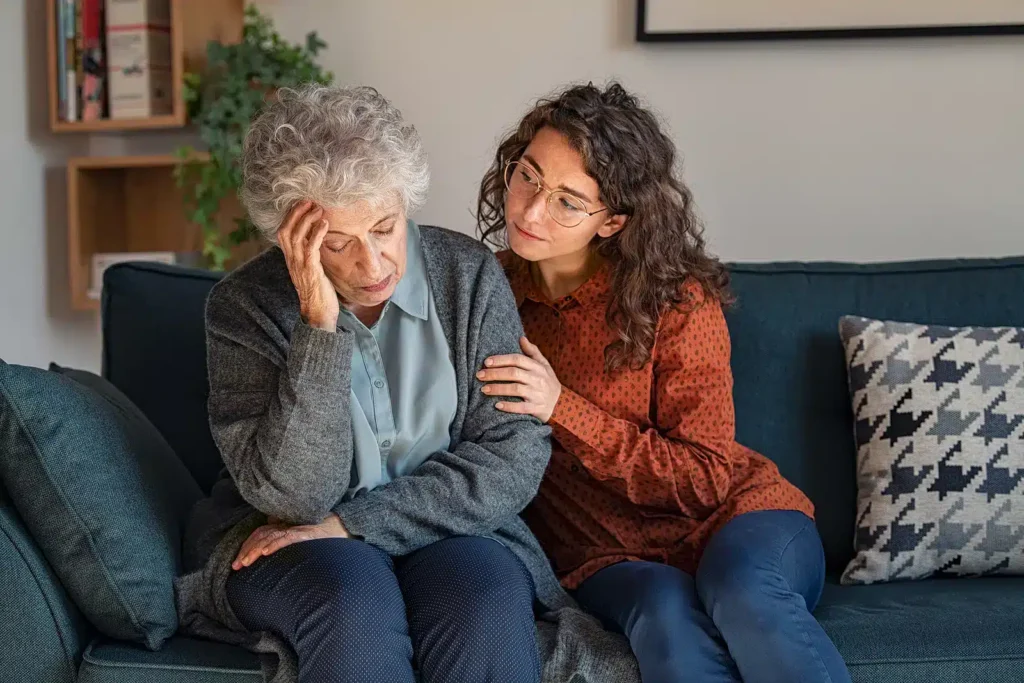
Making the decision to seek senior home care for a parent or loved one is rarely easy. Many adult children find themselves questioning whether the changes they’re seeing are part of normal aging or signs that more support is needed. The truth is, recognizing these signs early can make a meaningful difference in your loved one’s safety, comfort, and overall quality of life. Senior Home Care can provide the right level of support at the right time—before small concerns turn into serious challenges.
Subtle Changes That Often Go Unnoticed
In the early stages, the need for help may not be obvious. Small changes can happen gradually, making them easy to dismiss. You might notice your parent forgetting appointments, misplacing items more frequently, or struggling to keep up with bills. Their home may look a little less tidy than usual, or they may start wearing the same clothes more often.
These signs don’t always indicate a major problem on their own, but together, they can point to a growing need for support. Paying attention to patterns rather than isolated incidents can help you better understand what’s really going on.
Physical Warning Signs That Signal Risk
Physical changes are often clearer indicators that extra help may be needed. If your loved one has experienced a fall—or even a near fall—it’s important to take it seriously. Difficulty walking, trouble getting up from a chair, or hesitancy when using stairs can all increase the risk of injury.
You may also notice changes in their appearance, such as weight loss, fatigue, or signs that they’re not eating regularly. Chronic conditions like arthritis, diabetes, or heart disease can become harder to manage without consistent support. These are strong indicators that additional care at home could improve both safety and well-being.
Emotional and Behavioral Shifts
Emotional changes can be just as important as physical ones. A once-social parent may begin to withdraw from friends, family, or activities they once enjoyed. You might notice increased irritability, confusion, or mood swings.
Feelings of isolation or depression are common among seniors, especially when daily tasks become more difficult. These emotional shifts can affect not only mental health but also physical health. Addressing them early with the right support can make a significant difference.
Challenges with Daily Living Activities
One of the clearest signs it may be time to consider Senior Home Care is difficulty with everyday tasks. Activities like bathing, dressing, preparing meals, or remembering medications are essential to maintaining health and independence.
If your loved one is skipping meals, wearing unclean clothing, or missing medications, it’s a sign that they may need help managing their daily routine. These challenges can quickly lead to larger health issues if left unaddressed.
Safety Concerns at Home
Safety is often the tipping point for families. You may notice your parent leaving the stove on, forgetting to lock doors, or becoming confused about their surroundings. Some seniors may wander or get lost, even in familiar areas.
Driving can also become unsafe due to slower reaction times or confusion. These situations can put your loved one—and others—at risk. Recognizing these warning signs early allows you to take proactive steps to keep them safe.
When Family Caregiving Becomes Unsustainable
Many families step in to help when they first notice changes. While this support is invaluable, it can also become overwhelming over time. Balancing caregiving with work, children, and personal responsibilities can lead to burnout.
If you’re feeling stretched thin or constantly worried about your loved one’s well-being, it may be time to consider professional support. Seeking help is not a sign of failure—it’s a way to ensure your loved one receives consistent, reliable care.
How Senior Home Care Can Provide Support
Senior Home Care offers a practical and compassionate solution for families navigating these challenges. At Everlight Care, services are designed to support daily living while helping seniors remain in the comfort of their own homes.
This support may include assistance with personal care tasks like bathing and dressing, help with meal preparation, medication reminders, light housekeeping, and companionship. Each care plan is tailored to the individual, ensuring that your loved one receives the right level of support without losing their sense of independence.
Everlight Care focuses on maintaining dignity while providing the help seniors need to stay safe and comfortable.
Starting the Conversation with Your Loved One
Bringing up the idea of home care can feel uncomfortable, but it’s an important step. Approach the conversation with empathy and respect. Focus on your concerns for their safety and well-being rather than what they can no longer do.
It can help to involve your loved one in the decision-making process, giving them a sense of control. Start small, perhaps by introducing a few hours of support each week. This gradual approach often makes the transition easier.
Conclusion
Recognizing when it’s time for Senior Home Care can be challenging, but paying attention to the signs can help you make informed decisions. Early support can prevent accidents, reduce stress, and improve your loved one’s quality of life.
Everlight Care is here to help families navigate these decisions with confidence and compassion. By addressing concerns early, you can ensure your loved one remains safe, supported, and comfortable at home.
Senior Home Care is not about taking away independence—it’s about preserving it in the safest way possible.
If you or an aging loved one is considering Senior Home Care in Bakersfield, CA, please contact the caring staff at Everlight Home Care today. Call us at 559-353-2847.
Private Duty Home Care in Fresno, Madera, Kern Counties, and surrounding communities. Call us 24 hours a day, 7 days a week.